What is the IBEW Apprentice Aptitude Test? Format, Sections, and How to Prepare
NEC Journeyman Electrician Exam: What’s Tested and How to Study
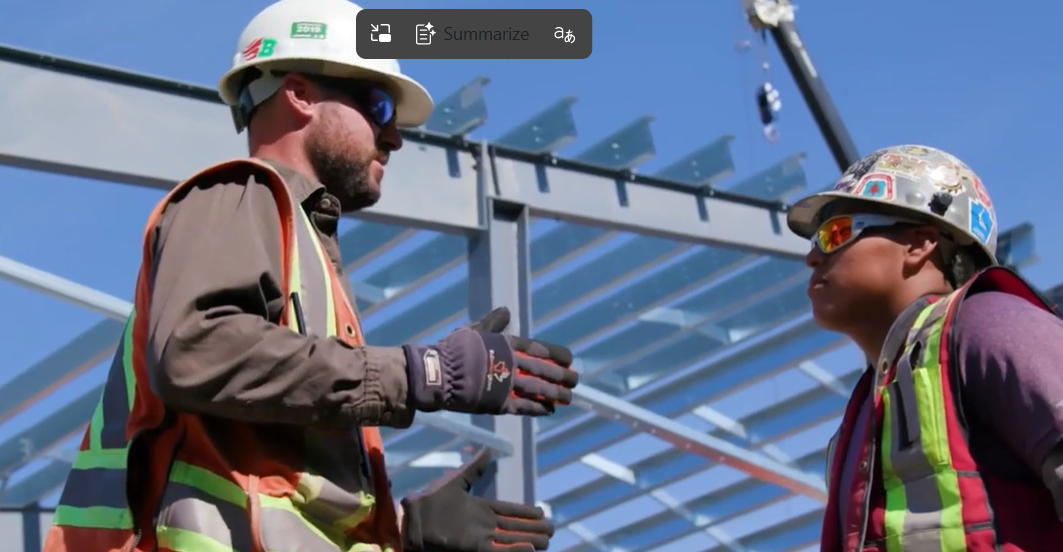
Red Seal Construction Electrician vs Industrial Electrician: What’s the Difference?
If you are starting an electrical career in Canada — or considering adding a second ticket — the first decision you face is whether to pursue the Construction Electrician (309A) or the Industrial Electrician (442A) designation. These are two separate Red Seal certifications with different exams, different workplaces, and different career trajectories. If you are a US-based apprentice entering through the IBEW, the first step is passing the aptitude test — see our guide to the IBEW Apprentice Aptitude Test.
What Each Designation Covers
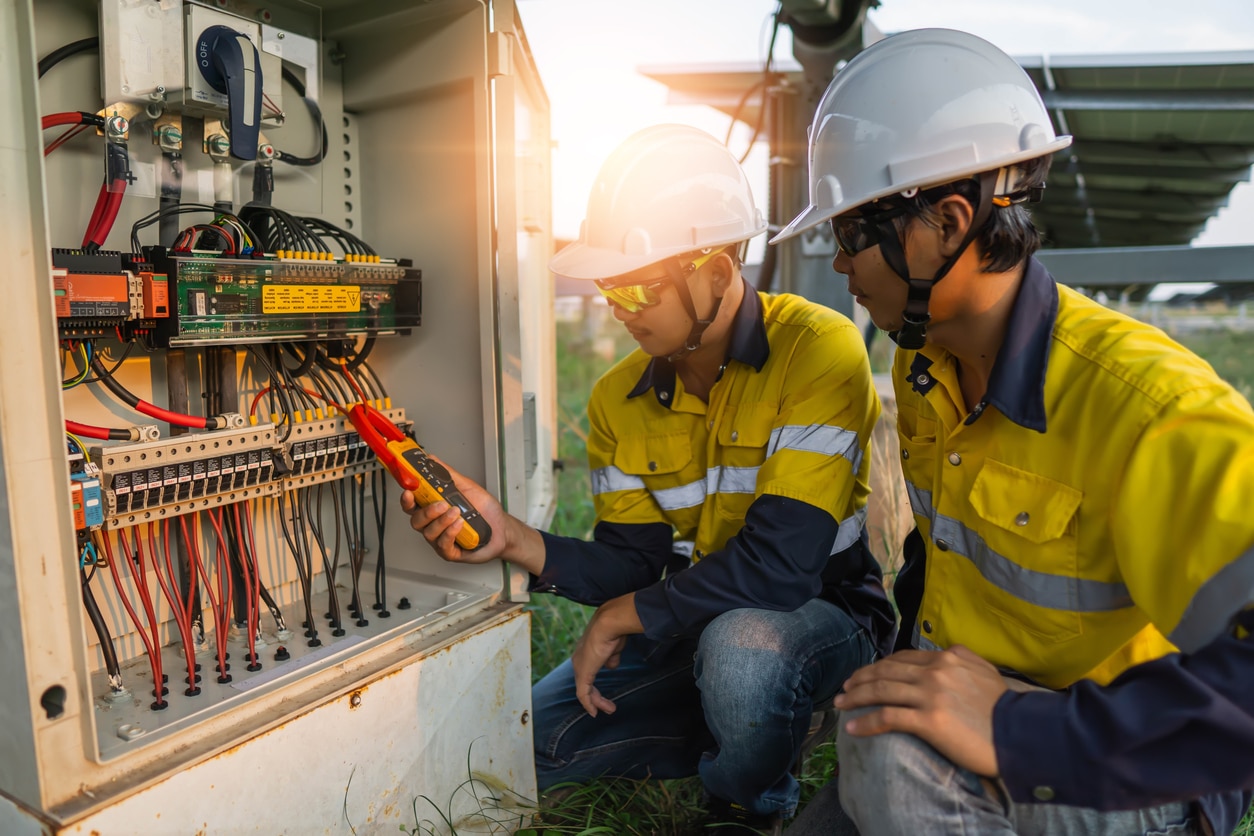
A Construction Electrician (309A) installs, maintains, and repairs electrical systems in residential, commercial, institutional, and industrial buildings. The scope includes wiring, conduit, panels, lighting, fire alarm, security, communication, and control systems. The work is primarily new construction and renovation.
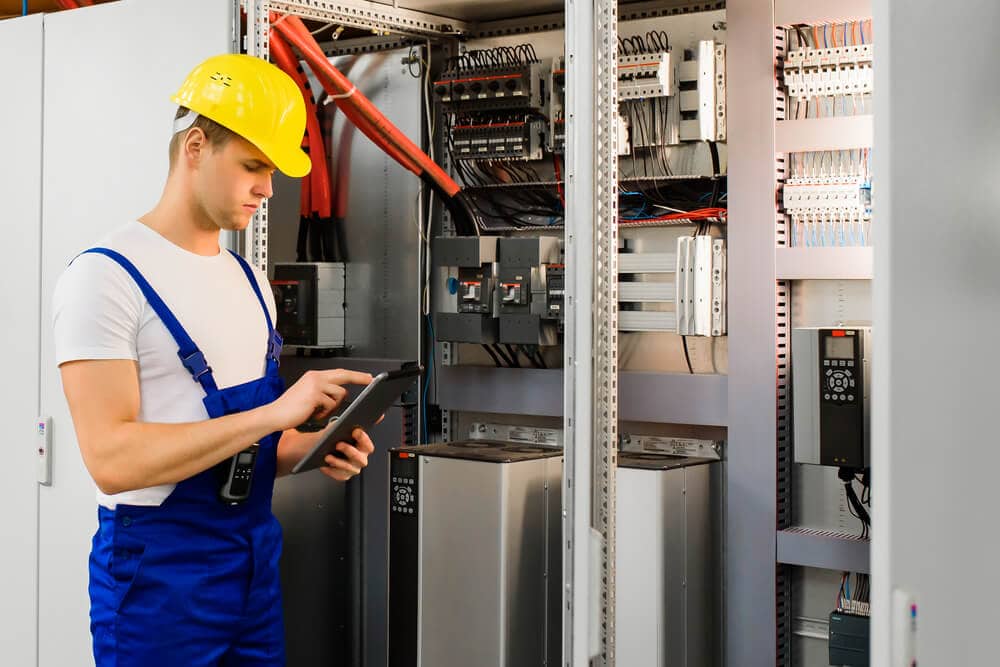
An Industrial Electrician (442A) installs, maintains, troubleshoots, and repairs electrical equipment and controls in industrial settings: manufacturing plants, processing facilities, power generation, water treatment, mining, and oil and gas. The scope includes motors, generators, PLCs, VFDs, instrumentation, control panels, and power distribution.
How the Exams Differ
The Construction Electrician Red Seal exam has 100 multiple-choice questions across 5 MWAs. The main areas are electrical theory, wiring methods, installation, testing and commissioning, and maintenance. The CEC is the primary reference.
The Industrial Electrician Red Seal exam has 100 multiple-choice questions across 6 MWAs. It goes deeper on motor controls, automation, PLCs, instrumentation, and industrial troubleshooting.
The key difference is that the 442A tests PLC programming, instrumentation loops, and industrial control theory at a level the 309A does not. The 309A tests residential and commercial wiring methods, load calculations, and fire alarm installation at a level the 442A does not.
Career Path and Salary
Construction Electricians typically work for electrical contractors on new builds and renovations. Average salaries range from $55,000 to $75,000. Industrial Electricians typically work for a single employer — a plant, a mill, a mine, or a utility. Average salaries range from $70,000 to $90,000, often with shift premiums. Many electricians eventually hold both tickets. If you decide to pursue the master electrician credential after your journeyman ticket, see our guides to the Master Electrician NEC exam (USA) and the Master Electrician CEC exam (Canada).
The Construction Electrician Red Seal Exam Prep and Industrial Electrician Red Seal Exam Prep books from Red Seal Training Academy each give you 1,000 practice questions matched to the respective NOA structures.
[Get the Construction Electrician Exam Prep book on Amazon →]
[Get the Industrial Electrician Exam Prep book on Amazon →]
Frequently Asked Questions
Can you hold both 309A and 442A Red Seal certifications?
Yes. Many electricians hold both. You must write and pass each exam separately.
Which pays more: Construction Electrician or Industrial Electrician?
Industrial Electricians typically earn $70,000–$90,000 versus $55,000–$75,000 for Construction Electricians, but Construction Electricians often have more overtime during building booms.
Is one exam harder than the other?
The 442A is generally considered harder because it tests PLCs, instrumentation, and industrial motor control theory in addition to electrical fundamentals.